
SAF, Air Cargo, Mining & the New Rules of Global Market Access


ESG in Action: From Shanghai to Abuja
SAF, Air Cargo, Mining & the New Rules of Global Market Access
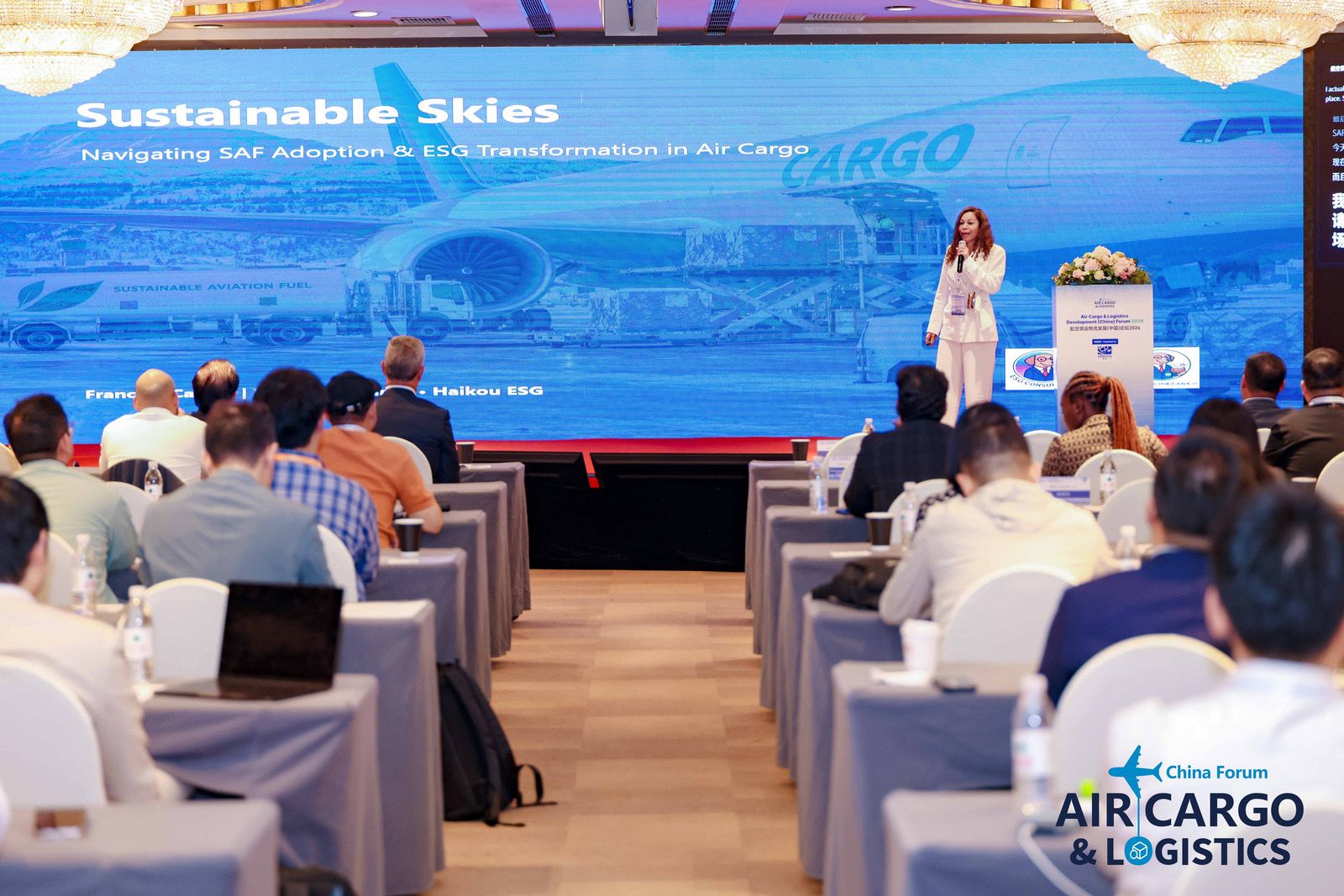
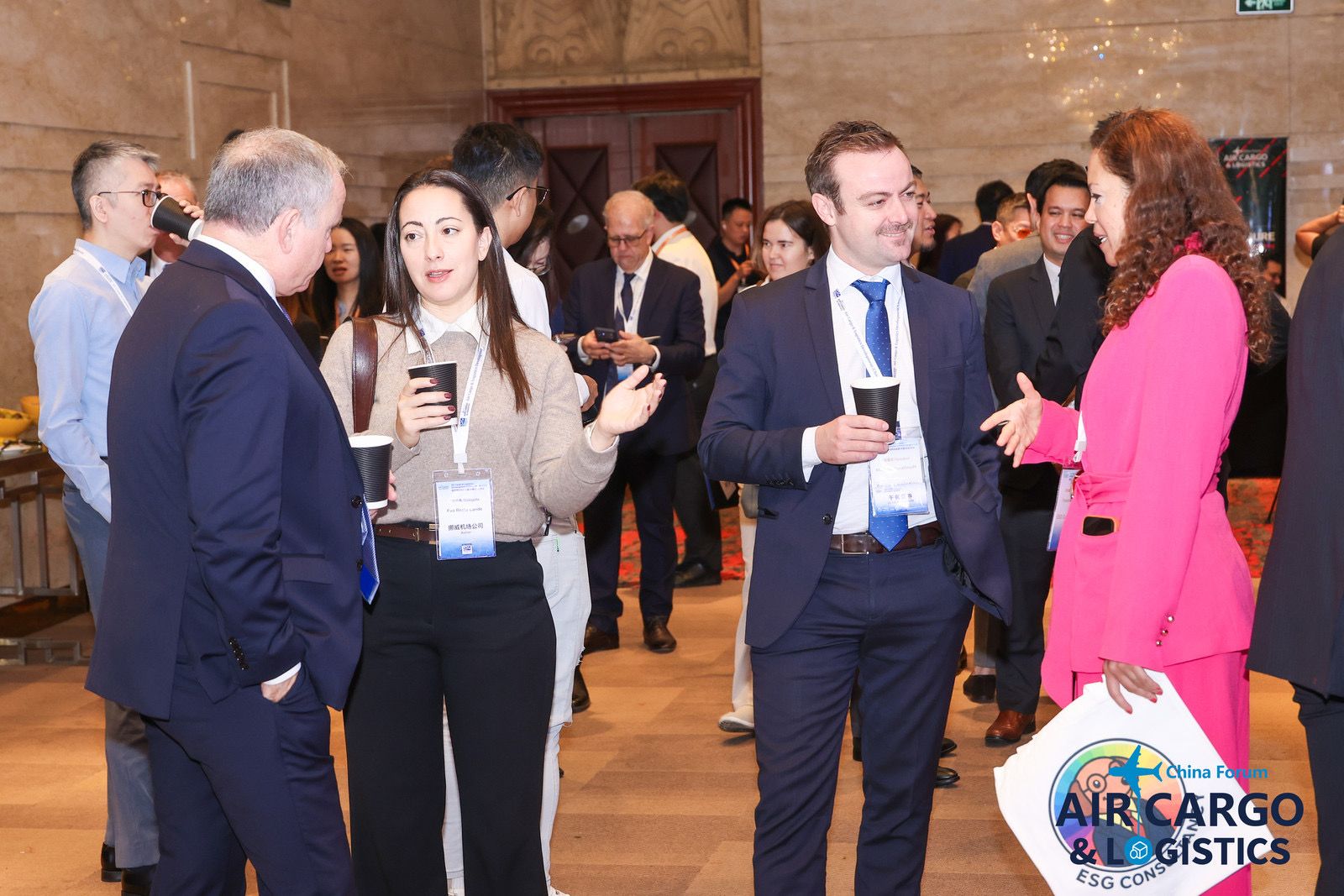
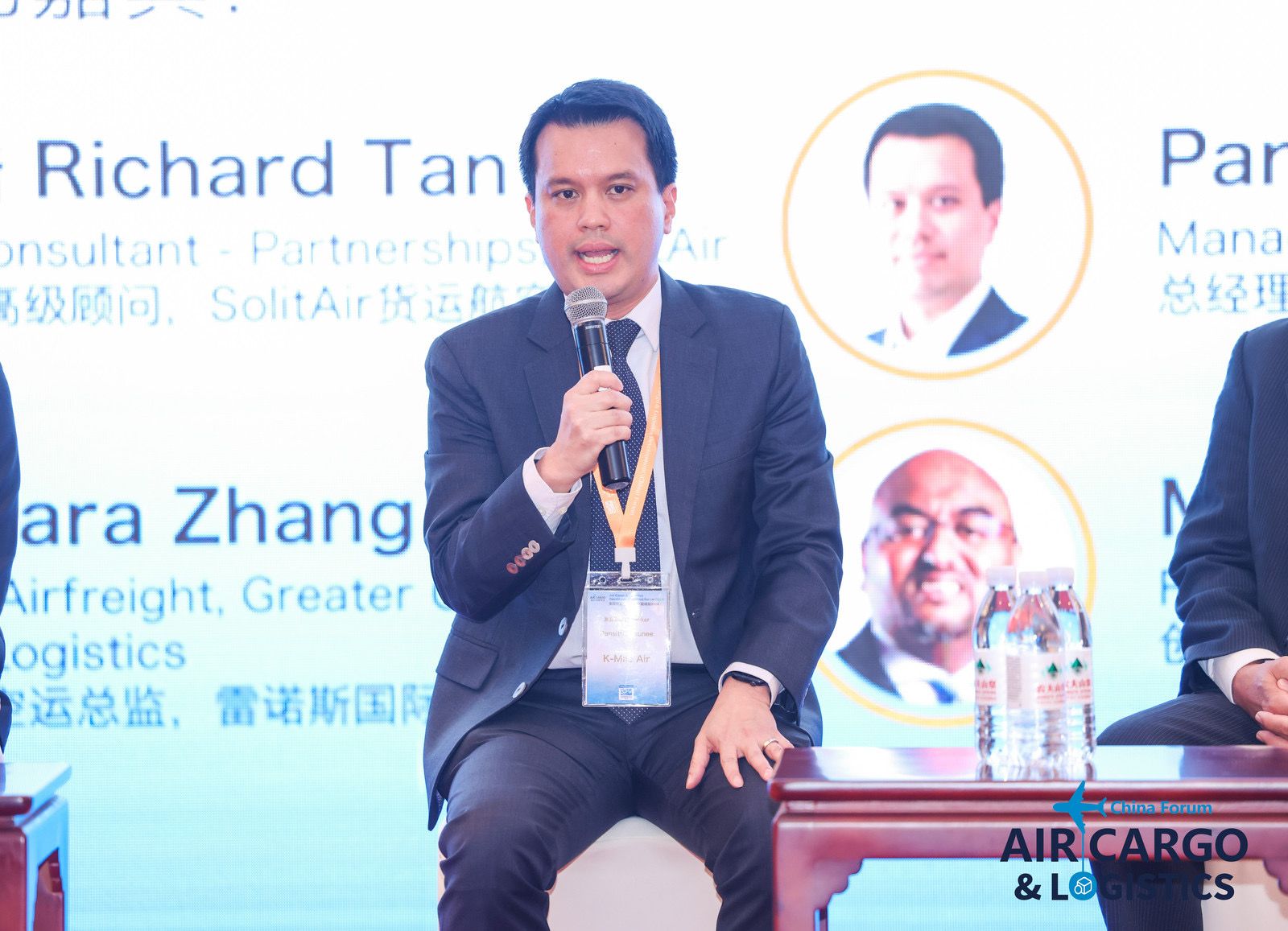
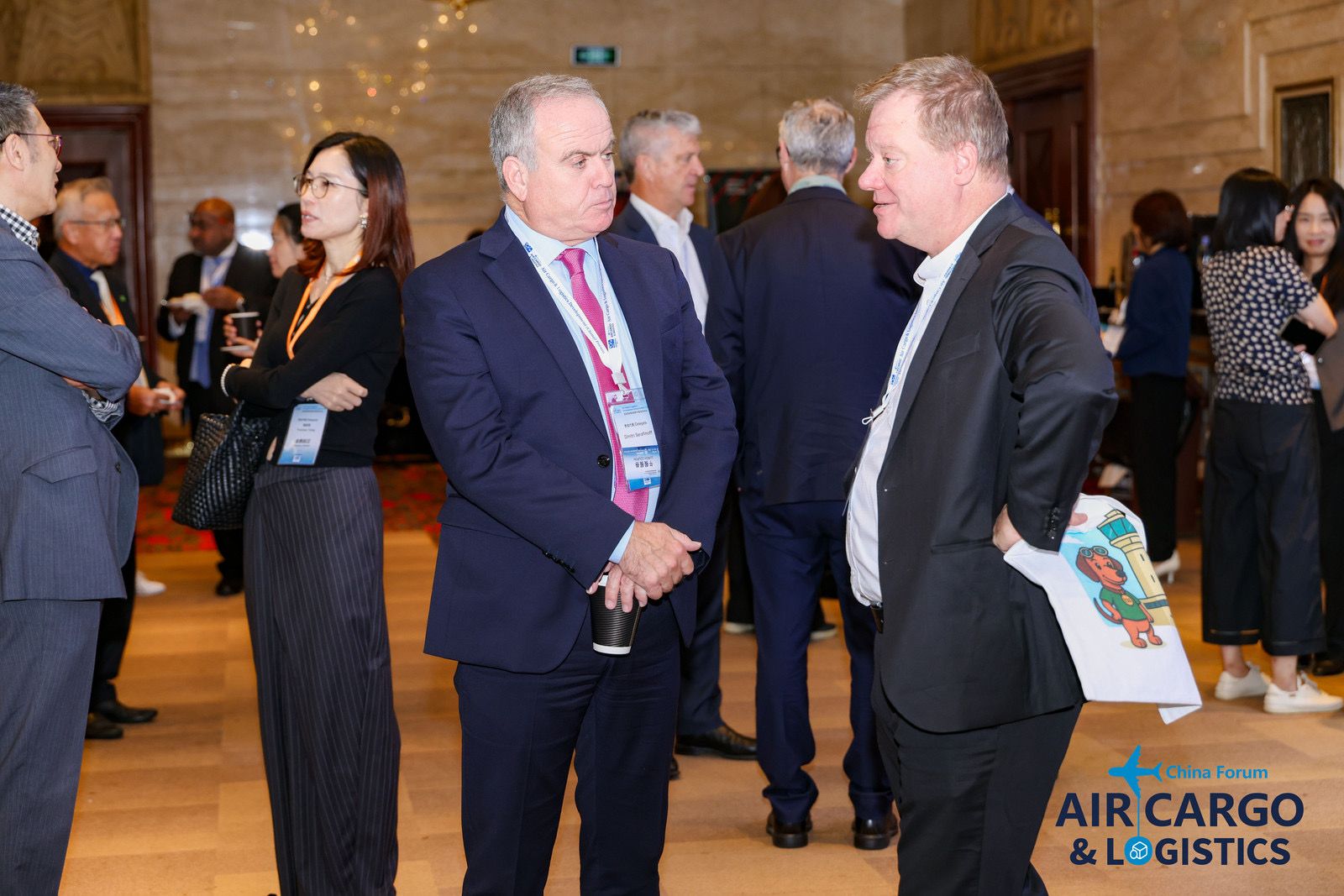
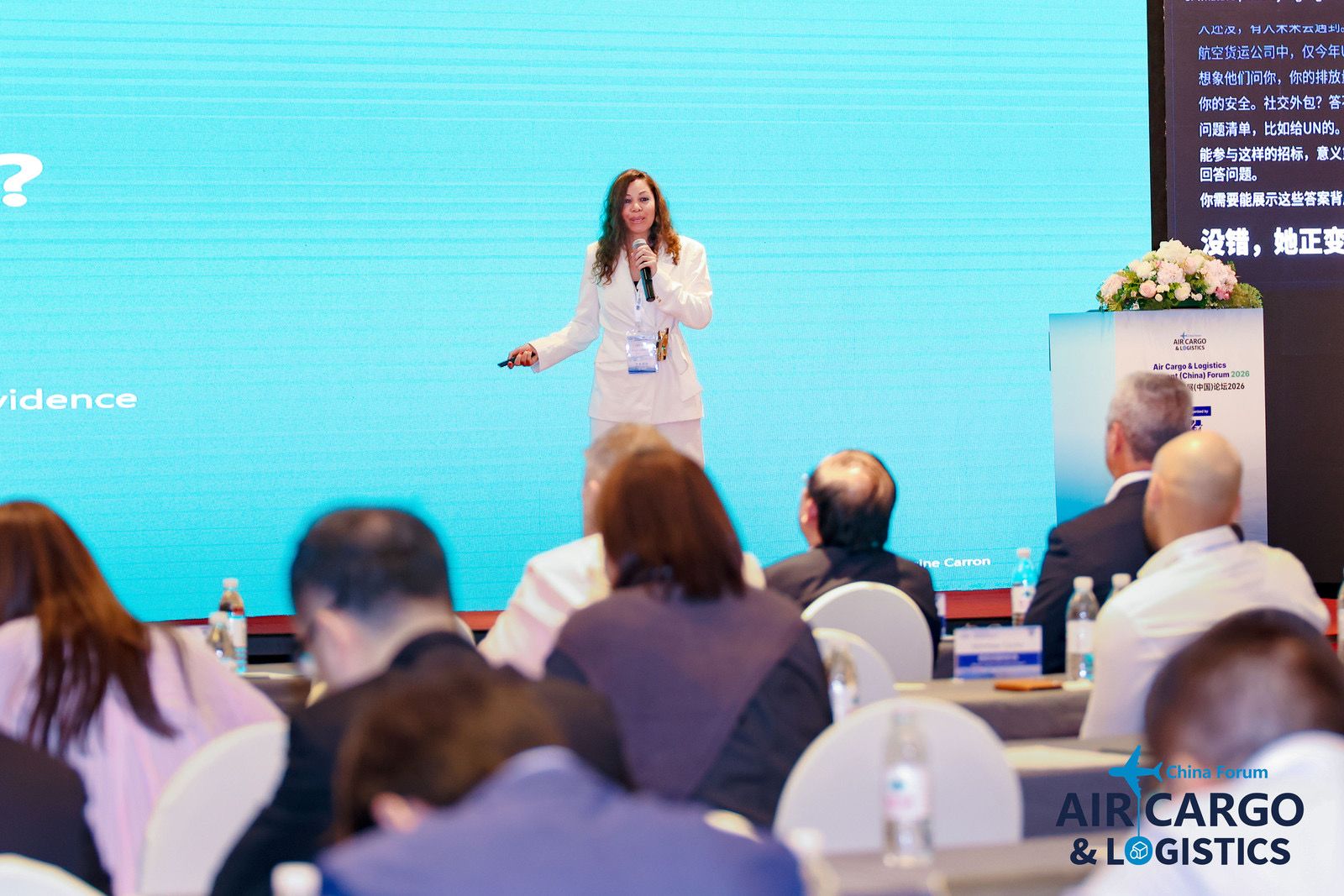
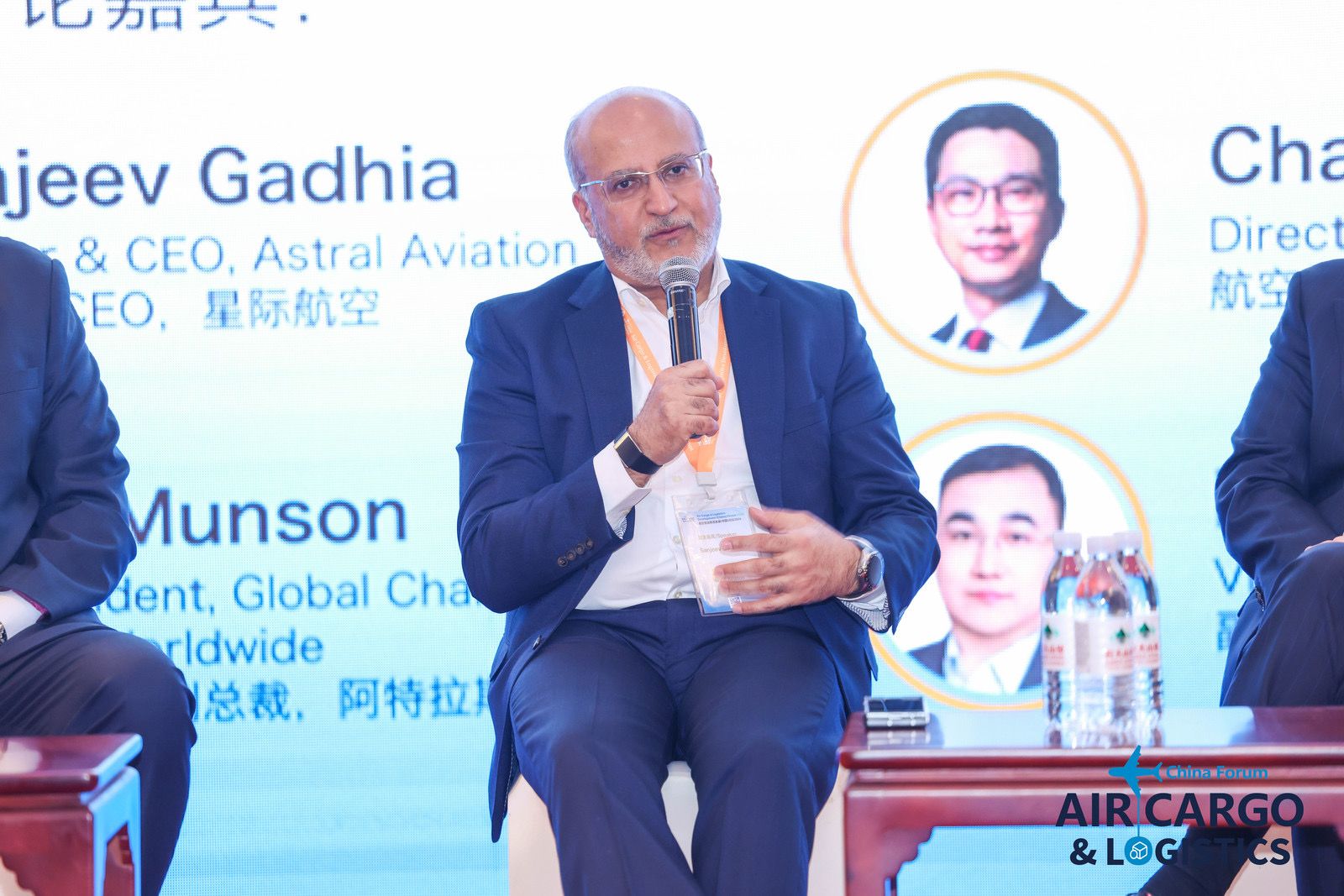
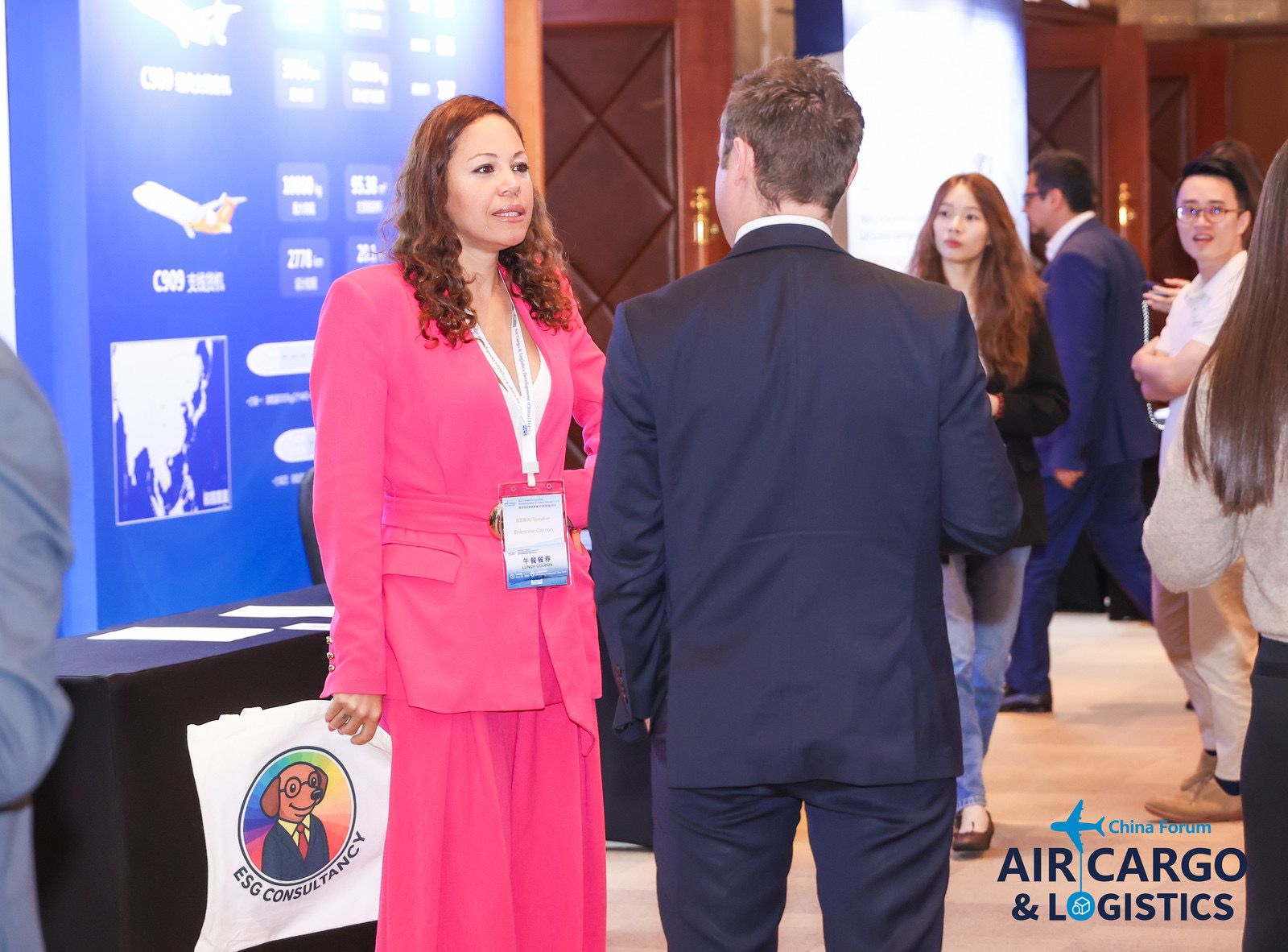
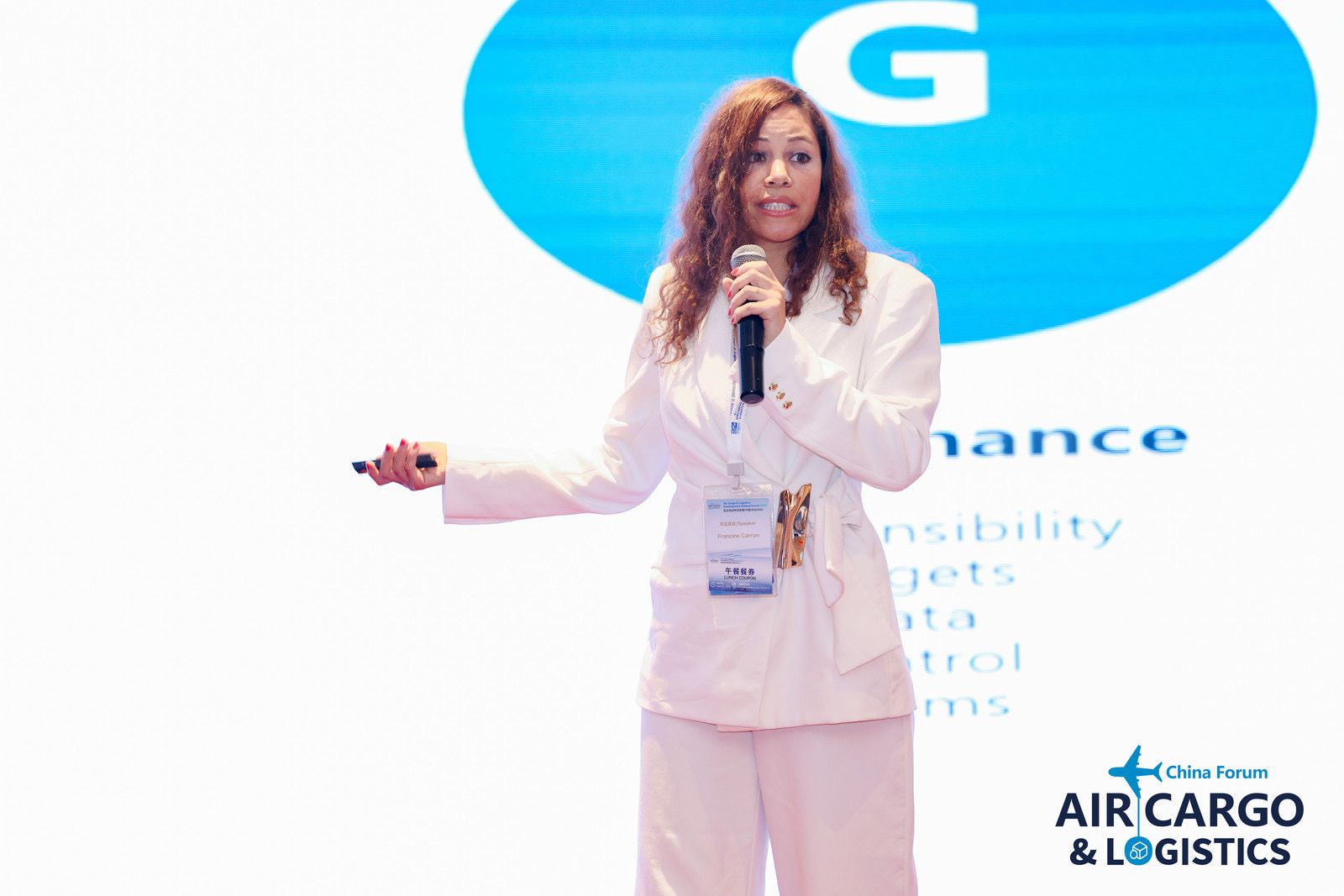
September took ESG Consultancy to Shanghai, where we joined the China Air Cargo & Logistics Forum to speak about a question that is becoming increasingly important for our industry:
How do we decarbonize air cargo while remaining commercially competitive?
Our presentation, “Sustainable Skies – Navigating SAF Adoption & ESG Transformation in Air Cargo,” centered around a simple message:
ESG is the framework. SAF is the action.
ESG provides the structure through which an organization understands its environmental impact, risks, responsibilities, opportunities, and priorities.
SAF is one tangible action aviation can take to reduce lifecycle emissions.
But neither works effectively in isolation.
Conference information:
https://www.wernosa.com/col.jsp?id=107
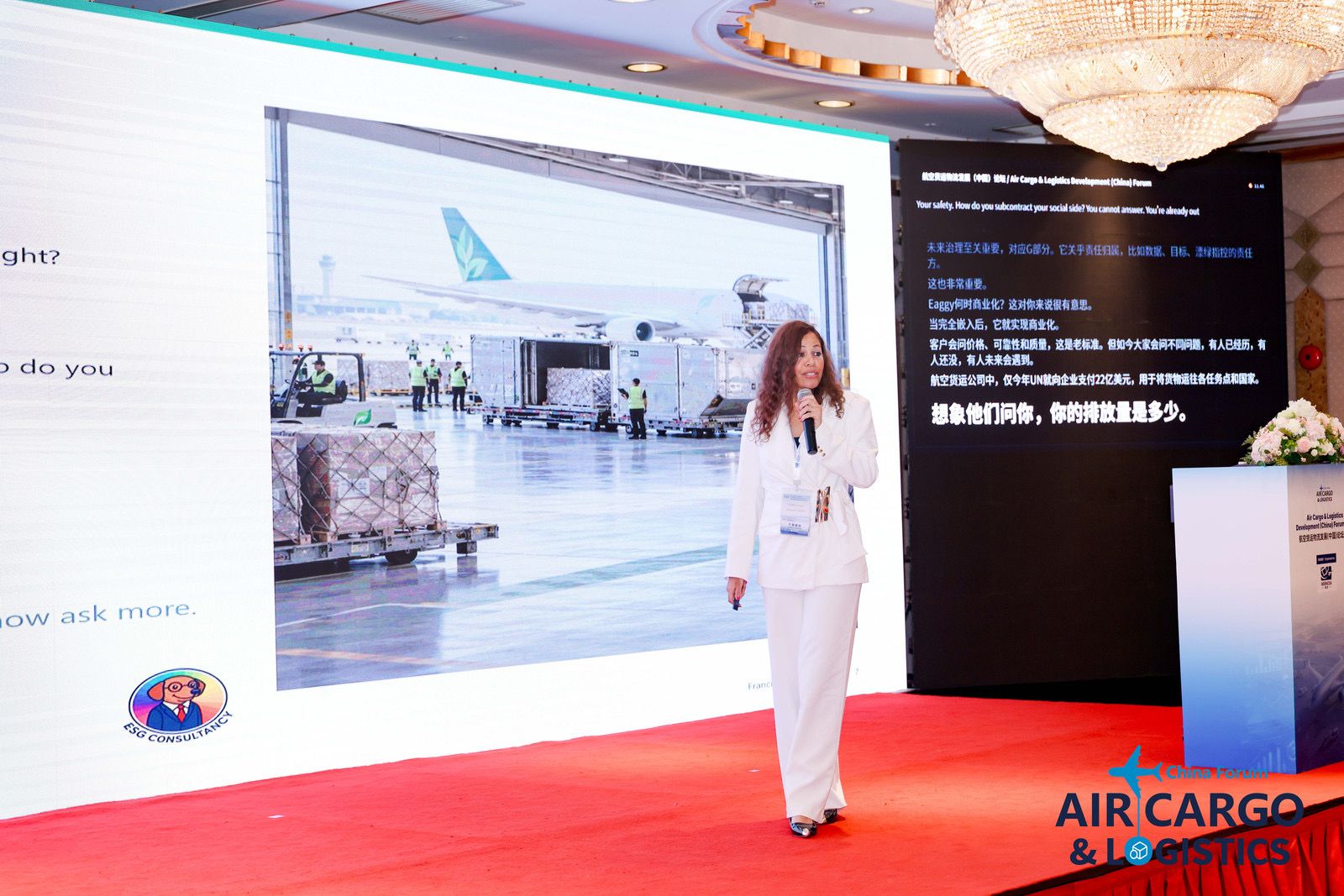
SAF Will Require Collaboration: Not Just Fuel
One of the strongest messages we brought to Shanghai was that airlines alone cannot solve SAF adoption.
Producers, airlines, airports, cargo operators, freight forwarders, customers, governments, and finance all have a role to play.
And places around the world are already demonstrating what deeper collaboration can achieve.
Singapore is developing a coordinated SAF ecosystem that aggregates demand and uses collective procurement to pursue economies of scale and more competitive pricing. Other initiatives have demonstrated how longer-term procurement commitments, shared demand, and deliberate pricing strategies can improve the economics of SAF.
The lesson is important:
The SAF premium is not simply something aviation has to accept forever.
Collaboration, aggregated demand, longer-term purchasing commitments and supportive policy can change the economics.
For air cargo, that matters enormously.
And China belongs in this conversation for another reason.
Recent European SAF data shows just how international the SAF supply chain already is. A significant proportion of the feedstock used for SAF supplied in Europe originates outside the EU, with China playing a particularly important role. Used cooking oil continues to dominate the feedstock mix.
The aviation sustainability transition is therefore not European, Chinese or American.
It is global, and it will only work through collaboration.
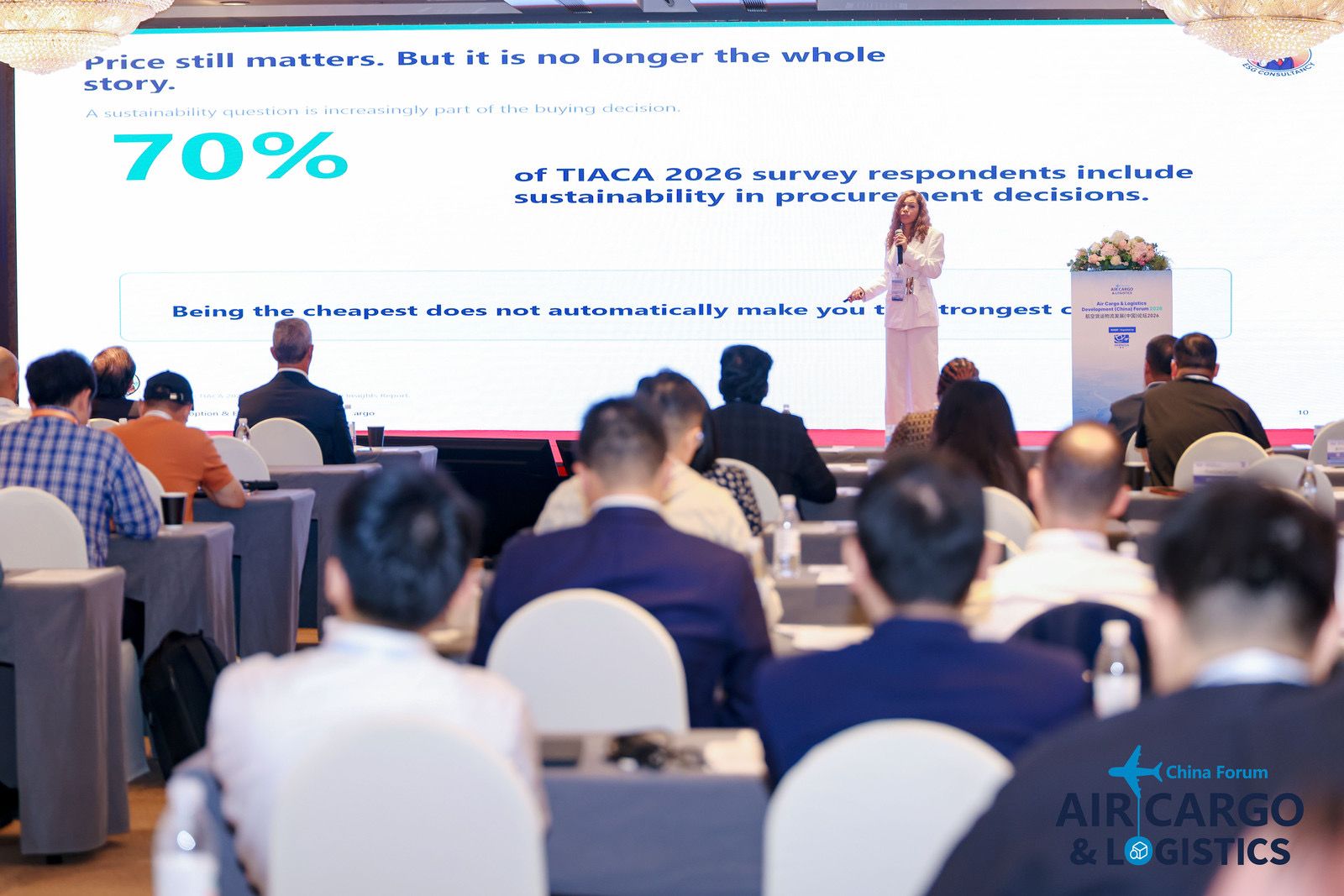
What If SAF Is Not Accessible Yet?
Not every airline or cargo operator can access sufficient SAF today.
For many organizations, availability remains limited, and the economics remain difficult.
But that does not mean decarbonization has to wait.
For international aviation emissions covered by CORSIA, CORSIA-eligible carbon credits remain an important compliance mechanism.
And this is becoming increasingly important.
Demand for eligible CORSIA units is expected to increase significantly as airlines prepare for compliance obligations from the 2024–2026 period.
That means a carbon-credit strategy deserves attention now, not only when compliance deadlines approach.
Companies need to understand:
- Which credits are actually CORSIA-eligible?
- What documentation is required?
- What is available?
- And when should procurement begin?
For aviation organizations that cannot yet access SAF at the scale they would like, high-integrity eligible carbon credits remain another tool within the broader decarbonization toolbox.
Wherever You Are on the ESG Journey: Start Somewhere
Another message we brought to Shanghai was very simple:
Start where you are. But start.
If your organization hasn't started its ESG journey yet, feel free to reach out. We can help you understand what ESG actually means for your business and identify a practical starting point.
If you are already on the journey and want to improve, we are equally happy to brainstorm how you can move further.
You don't necessarily need an enormous ESG budget to begin.
For air cargo companies with limited budgets, we recommend TIACA BlueSky as a practical starting point.
BlueSky was developed specifically for the air cargo industry and gives organizations a structured way to understand their sustainability maturity across the industry’s key sustainability priorities.
It helps put you on the green journey.
For companies that are just beginning, it provides structure and direction.
For organizations that are already advanced, it offers something equally important:
Benchmarking.
At some point, the question is no longer:
“Are we doing ESG?”
It becomes:
“How good are we compared with our peers, and where can we improve?”
ESG Consultancy acts as an independent BlueSky assessor, and we also help air cargo organizations prepare to demonstrate a high level of maturity under the program.
👉 Explore the TIACA BlueSky program: https://tiaca.org/bluesky-program/
Because companies that want to survive and lead the green transformation will increasingly need environmental performance as both their license to operate and their competitive advantage.
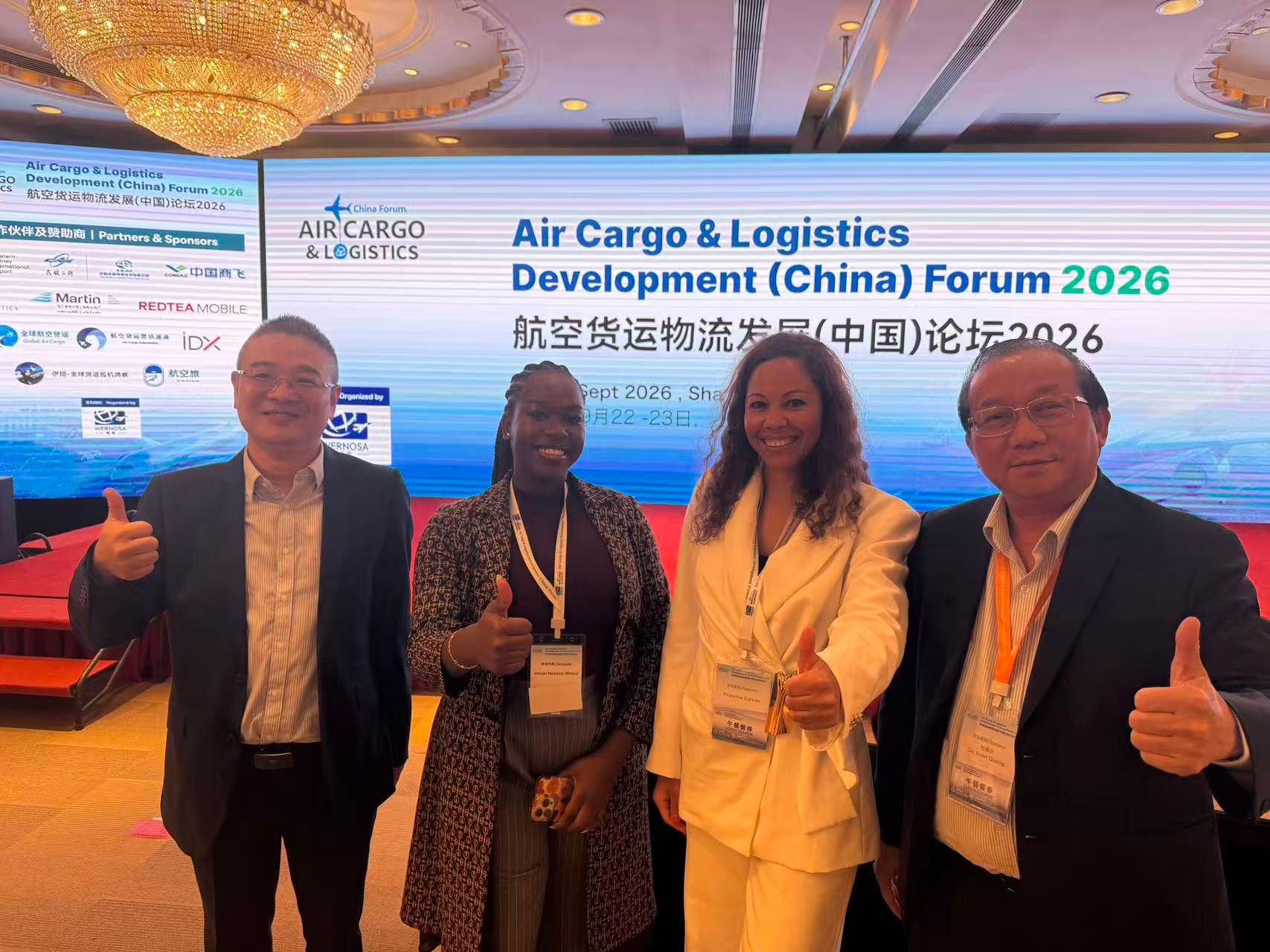
Would You Like to Hear the Shanghai Presentation?
The conversations after our presentation demonstrated that many organizations are still trying to connect the dots between ESG, SAF, carbon markets, customer expectations, and commercial strategy.
So why limit the conversation to Shanghai?
If your company, association, or team would like to hear our presentation, “Sustainable Skies – Navigating SAF Adoption & ESG Transformation in Air Cargo,” please reach out.
If there is sufficient interest, we will organize an online ESG Academy webinar, allowing aviation and air cargo professionals worldwide to join the discussion.
Through ESG Academy, we also train executives, professionals and teams on ESG, aviation sustainability, European ESG requirements, carbon markets and practical sustainability implementation.
📩 Interested in the webinar or a dedicated session for your organization? Contact us here
Conference pictures:
https://m.alltuu.com/album/eec5066781a55fba897e5d5750af43cb/?from=qrCode&menu=
September Aviation ESG Radar
Shanghai was only part of the aviation sustainability story this month.
Several developments aviation leaders should keep on their radar.
CORSIA: Carbon Procurement Is Becoming a Strategic Question
CORSIA is moving from something organizations discuss to something airlines increasingly need to plan for.
Current estimates indicate that airlines could require more than 200 million CORSIA Eligible Emissions Units by January 2028 for the 2024–2026 compliance period, while the volume currently supported by the necessary host-country authorizations remains considerably lower.
The message for airlines is becoming increasingly straightforward:
Understand your exposure early.
Understand eligibility.
And don’t leave procurement strategy until the last moment.
Carbon markets should form part of the aviation sustainability conversation alongside operational efficiencies, SAF, and longer-term technological solutions.
SAF: Europe Has Reached Its First Target — But Look at the Supply Chain
Europe’s first ReFuelEU Aviation year produced an important result.
Approximately 1.1 million tonnes of SAF were reported at EU airports in 2025, representing around 2.8% of aviation fuel supplied above the 2% minimum requirement.
But underneath that headline sits an equally interesting supply-chain story.
Around 85% of the feedstocks originated outside the EU, with China accounting for approximately 61%. Used cooking oil represented around 80% of the SAF supplied.
For ESG Consultancy, operating between Europe and China, we are watching this development closely.
It reinforces something we repeatedly emphasize:
Aviation decarbonization is a global supply-chain challenge.
EU ETS: SAF Is Receiving Real Financial Support
The EU ETS is also shaping the economics of aviation decarbonization.
In September, the European Commission announced that airlines had received more than €400 million in EU ETS support for SAF used in 2025.
Aircraft operators should also remember that 30 September is the annual EU ETS surrender deadline for emissions from the previous year.
The policy signal is becoming clearer.
Europe is not only increasing decarbonization obligations; it is also using mechanisms to help reduce some of the cost differential associated with cleaner aviation fuels.
GreenATM: Congratulations to SANS
We would also like to congratulate Saudi Air Navigation Services (SANS) on achieving Level 2 accreditation under CANSO’s GreenATM program.
Another ANSP progressing through GreenATM shows that structured environmental maturity is becoming increasingly important across air navigation.
For ANSPs, GreenATM is not simply about having green projects.
It is about progressively embedding environmental sustainability into governance, evidence, methodologies, ownership and operational decision-making.
For ANSPs considering their first submission or looking to move to a higher maturity level ESG Consultancy supports:
GreenATM gap analyses
- maturity assessments
- evidence structuring
- submission preparation
- ESG framework development
- progression towards higher GreenATM levels
📩 Talk to us about your GreenATM journey
CBAM: Carbon Data Is Becoming Trade Data
Outside aviation, another development matters enormously for global supply chains.
CBAM is moving from reporting into its operational phase.
European importers and their non-EU suppliers increasingly need robust embedded-emissions calculations, supporting documentation and verifiable data.
For companies exporting CBAM-covered goods into Europe, carbon information is therefore becoming much more than an ESG metric.
Carbon data is becoming trade data.
And for Chinese, African and other non-EU companies exporting to Europe, understanding this early can become an important commercial advantage.
CSRD & ESRS: Simplification Does Not Mean Disappearance
There has also been considerable discussion around changes to European sustainability reporting.
The important message for businesses is:
ESG reporting has not disappeared.
The European sustainability reporting framework has been significantly simplified, with substantial reductions in mandatory data points and an increased focus on material information.
But the direction is not:
“No more ESG.”
The direction is:
More focused ESG.
For companies operating in European supply chains, sustainability information, governance, and credible data remain relevant directly through regulation for some organizations and indirectly through customers, investors, lenders, and procurement requirements for many others.
Next Stop: Nigeria Mining Week
October takes us from aviation and air cargo in Shanghai to mining and international trade in Abuja.
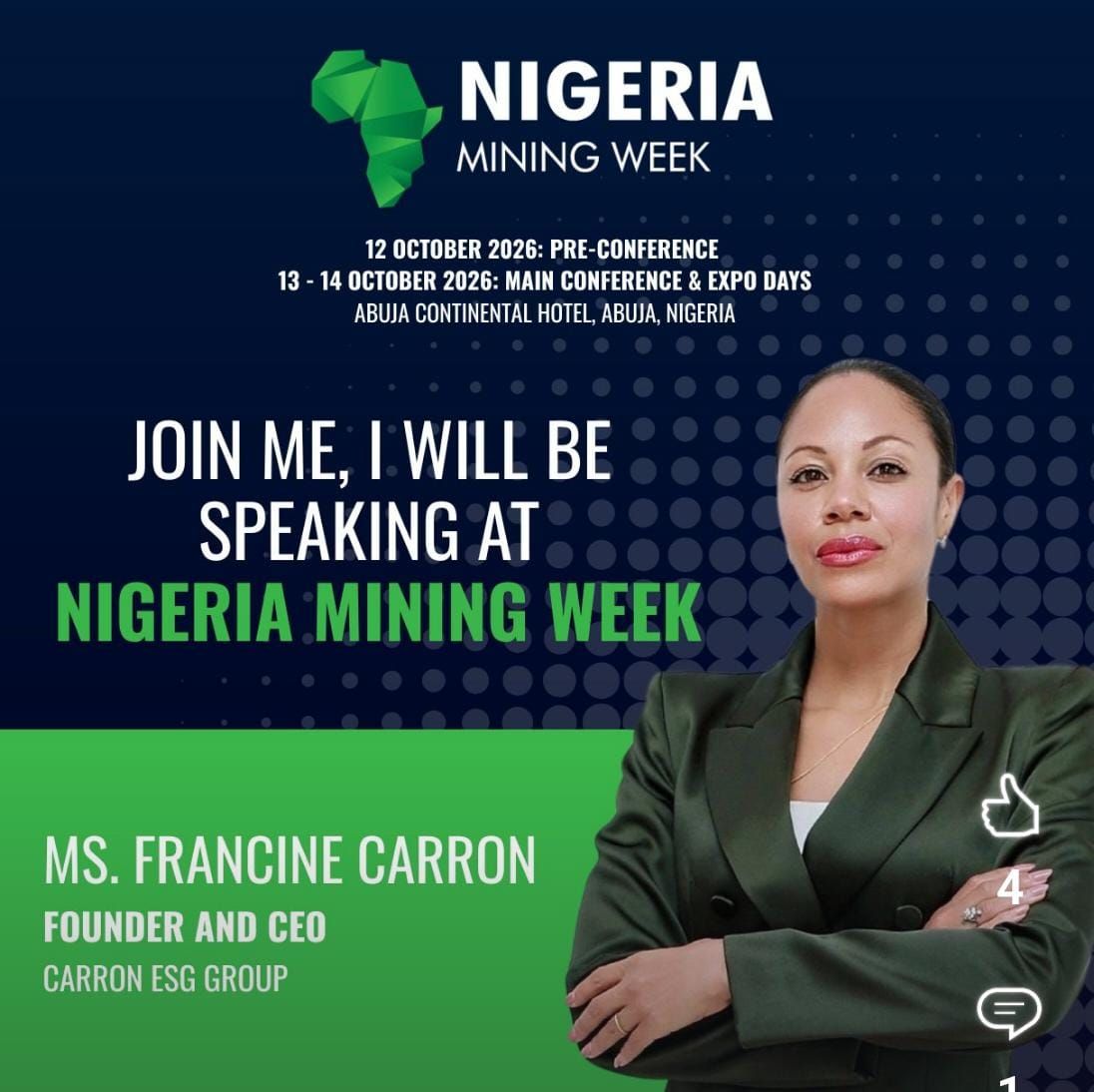
ESG Consultancy will be present at Nigeria Mining Week, where our founder, Francine Carron will deliver the keynote:
ESG as a Global Trade Language – ESG as Commercial Market Access
The message behind the keynote is straightforward:
ESG increasingly influences who gets financed, who enters international supply chains, who becomes a preferred supplier, and who gains access to global markets.
For Nigeria’s mining sector, this creates both challenges and significant opportunities.
International buyers, investors and financial institutions increasingly expect credible environmental and social governance, traceability and evidence.
Companies that understand those expectations early can use ESG not simply as a compliance requirement, but as a tool for investment readiness, commercial differentiation and international market access.
We look forward to taking the conversation from Shanghai to Abuja, from sustainability in global aviation to sustainability in the minerals and resources underpinning the global economy.
Watch the Nigeria Mining Week Interview on YouTube: Nigeria Mining Week Interview On Youtube
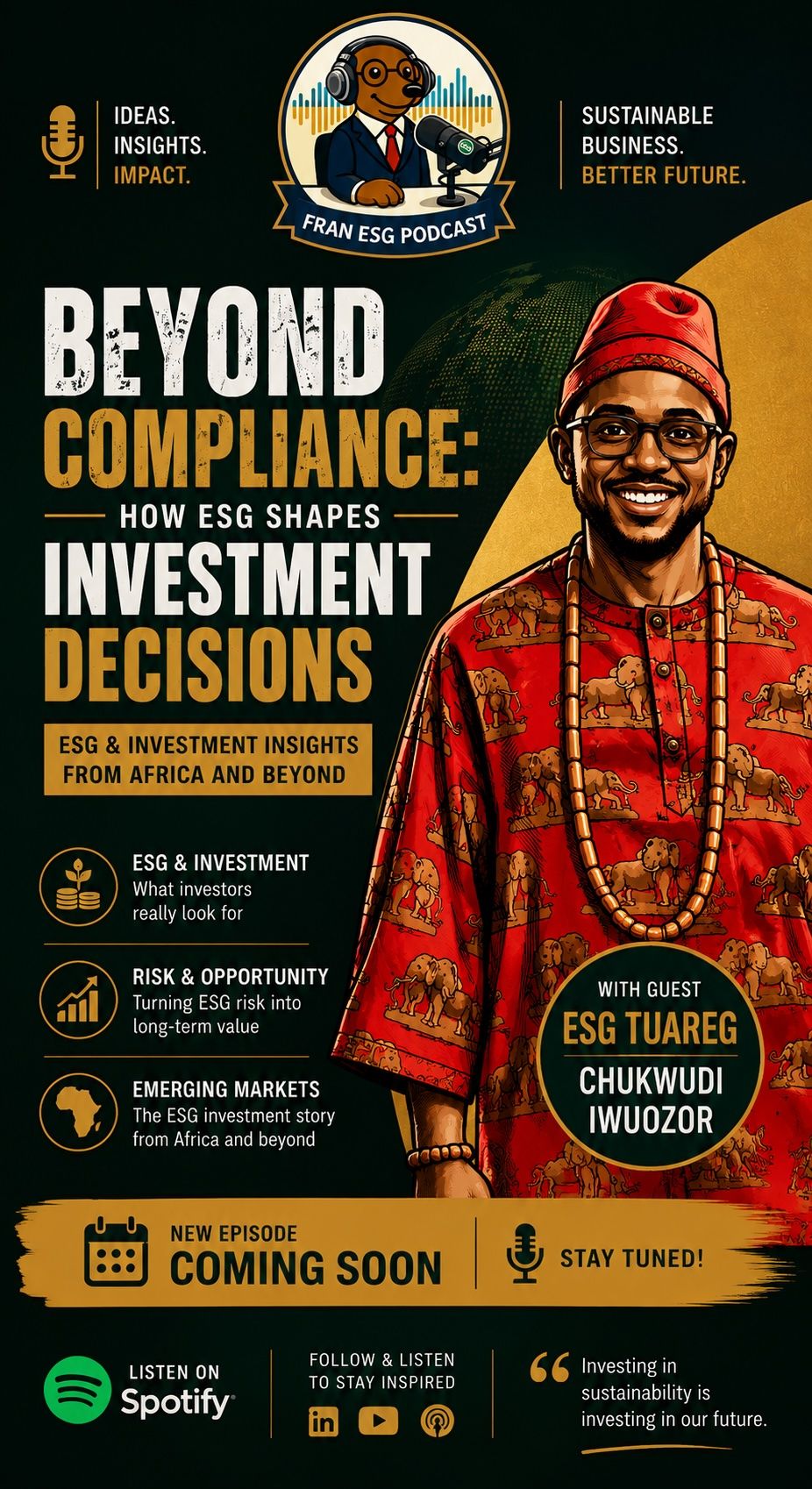
A new FRANESG PODCAST EPISODE IS OUT!
And as we prepare for Nigeria, we are continuing another conversation that sits at the heart of the same question:
How does ESG actually influence where money goes?
In the latest episode of ESG Tuareg, Francine speaks with Chukwudi Iwuozor about:
🎙️ Beyond Compliance: How ESG Shapes Investment Decisions
This conversation deliberately moves ESG beyond simple reporting and compliance.
Instead, we explore ESG through the lens of investment, sustainable finance, and development finance.
How do environmental and social considerations actually enter investment decisions?
What makes a company investable?
What risks make investors hesitate or walk away?
How does ESG implementation differ in Africa and other emerging markets compared with Europe?
And what are investors looking for today that they were not necessarily looking for five years ago?
The conversation explores Environmental & Social Management Systems (ESMS), sustainable finance, private equity and venture capital, board-level ESG integration, emerging-market opportunities, and the skills the next generation of ESG professionals will need.
Perhaps most importantly, it raises a question businesses seeking capital should increasingly ask themselves:
Are we treating ESG as something we have to report or as something that affects whether investors are willing to invest in us at all?
🎧 Listen to the new FRANESG episode on Spotify with ESG TUAREG or via YouTube
From Shanghai to Abuja: ESG Increasingly Determines Access
September started an important conversation in Shanghai:
ESG is the framework. SAF is the action.
October takes that conversation into another sector and another continent.
Whether we are talking about an airline trying to access SAF, an air cargo company benchmarking itself through BlueSky, an ANSP progressing through GreenATM, an exporter navigating CBAM, or a mining company seeking international investment, the underlying principle is remarkably similar:
ESG increasingly influences access.
Access to markets.
Access to capital.
Access to customers.
Access to international supply chains.
That is why we continue to approach ESG not as a reporting exercise, but as a business framework.
If you haven’t started, we can help you understand where to begin.
If you are already on the journey, we are happy to brainstorm how you can move further.
And if you are advanced, perhaps it is time to benchmark, strengthen and differentiate.
Whatever stage you are at, there is always a next step.
📩 Let’s talk ESG
Warm regard,
ESG Consultancy
Newsletter link: https://mailchi.mp/esg-consultancy.be/esg-in-action-from-shanghai-to-abuja